
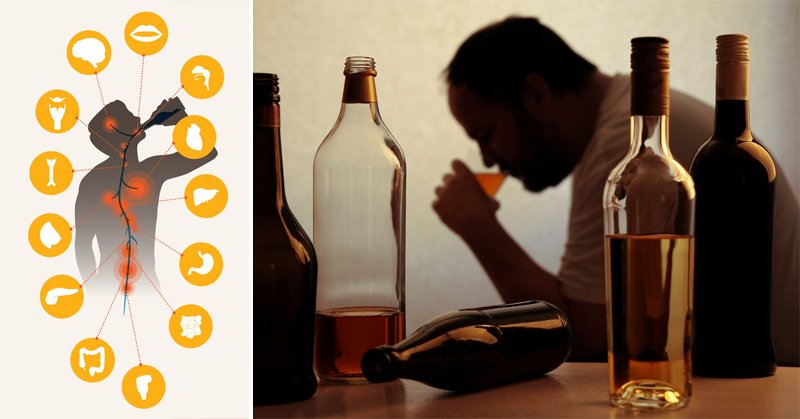
Alcohol is a legal, controlled substance that lowers anxiety and inhibitions. It also has a broad range of side effects, from loss of coordination to slurred speech. Not everyone who drinks is an alcoholic, but anyone whose life is negatively affected by alcohol on a consistent basis is considered to have an alcohol use disorder. Alcohol is commonly consumed as a drink in various forms, including beer, wine and hard liquor.
Beer Addiction and Abuse
Beer has become synonymous with many activities in American culture. Drinking games on college campuses revolve around it, happy hours are the go-to activity for professionals, and you’d be hard pressed to find a sporting event without it.
Even people who drink during social activities or only drink craft beer are susceptible to an alcohol use disorder. Signs of a problem may include continuing to drink when everyone else has stopped or feeling the need to drink during uncomfortable or boring situations. Get help for a beer addiction now.
Wine Addiction and Abuse
Compared to beer, wine has a more concentrated amount of alcohol. An average pour of wine (5 oz.) is equivalent in alcohol content to 12 oz. of beer. Wine is often consumed at dinner parties or alongside gourmet cheese and cracker pairings. Its status as a “classy” drink can make it harder to spot when someone has a problem.
Women make up 59 percent of wine drinkers in the United States and are often the targeted audience in advertising campaigns promoting the drink. Because of this, women may be disproportionately susceptible to a use disorder. However, either gender can develop a problem with wine. If you or someone you care about has been drinking wine more frequently than intended or using it to combat anxious or depressive feelings, there may be a deeper issue at play. Get help for a wine addiction.
Liquor Addiction and Abuse
Liquor is the umbrella term for hard alcoholic drinks or spirits like tequila, vodka, gin, rum and whiskey. Liquor has a much higher ABV than beer or wine and is often mixed with sodas, juices or water. The average size of a liquor pour is 1.5 oz. When not mixed into drinks, liquor is consumed as a shot or “neat.” Carbonation speeds up the absorption of alcohol into the bloodstream, so drinking liquor mixed with soda can cause quicker intoxication. The lower liquid content of shots make them easier to consume, leading to a higher risk of abuse and subsequent drunkenness.
Many longtime drinkers associate different drinks with different feelings of intoxication. Science has yet to prove this, with studies showing that alcohol produces the same effects in everyone, regardless of the type of drink being consumed. However, the social setting in which an alcoholic beverage is consumed may impact the drinker’s perception of their own intoxication. Someone having a glass of wine at dinner is more likely to report feeling tired and happy, while tequila shots at a high-energy party can produce a vastly different kind of intoxication.
Those with a severe alcohol use disorder may feel that they can’t start their day without a swig of vodka, or finish it without a glass of whiskey on the rocks. Regardless of the type of liquor consumed, alcohol of any kind possesses serious addiction potential. Get help for a liquor addiction now.
Effects
Alcohol is a central nervous system (CNS) depressant, so it slows down mental and bodily processes. With the first drink of alcohol, users may experience a decrease in feelings of anxiety or stress. It is commonly touted as a social lubricant, meaning drinkers are more likely to feel confidence in meeting new people and less concerned with how they are perceived by others.
Because alcohol is legal and widely accepted in society, it can be hard to tell the difference between casual use and abuse. In general, any usage of alcohol that results in negative consequences is considered abuse. Some of the negative consequences of alcohol use include:
- Physical harm or illness
- Strained relationships
- Problems at work
- Financial difficulty
When abuse becomes more frequent, it can escalate into addiction.